In excess clutter is the data that can be used against itself
It’s almost second nature for most to just scroll through their mobile screens without even intending it. A nonchalant reflex that is so commonly visible, it has become a kind of body language itself. But there are reasons why people came to adapt it. For some, it’s to clear the notifications and feel refreshed about their mobile phones. Then, there are those who dread to see those bold, superscripted numbers on apps, which seem to ominously convey their ‘unread’ and ‘unseen’ nature.
Clutter is real
Many of us are constantly attempting to ‘clear’ our phones, timelines, inboxes, walls (and minds) off the seemingly unending flow of words, pictures and sounds. Well, digital clutter is real and it is breaking attention. But the good news is, it is also pushing people to create new formats of content.
Egos are real
Clutter has always helped creative professionals to unravel the blind spots, dismantle the existing and break the stereotype. Simple as it may sound, it is more than being smart, creative and all of those clichés associated with advertising professionals. It’s the coming together (in fact a clash) of egos and opinions that makes advertising tick.
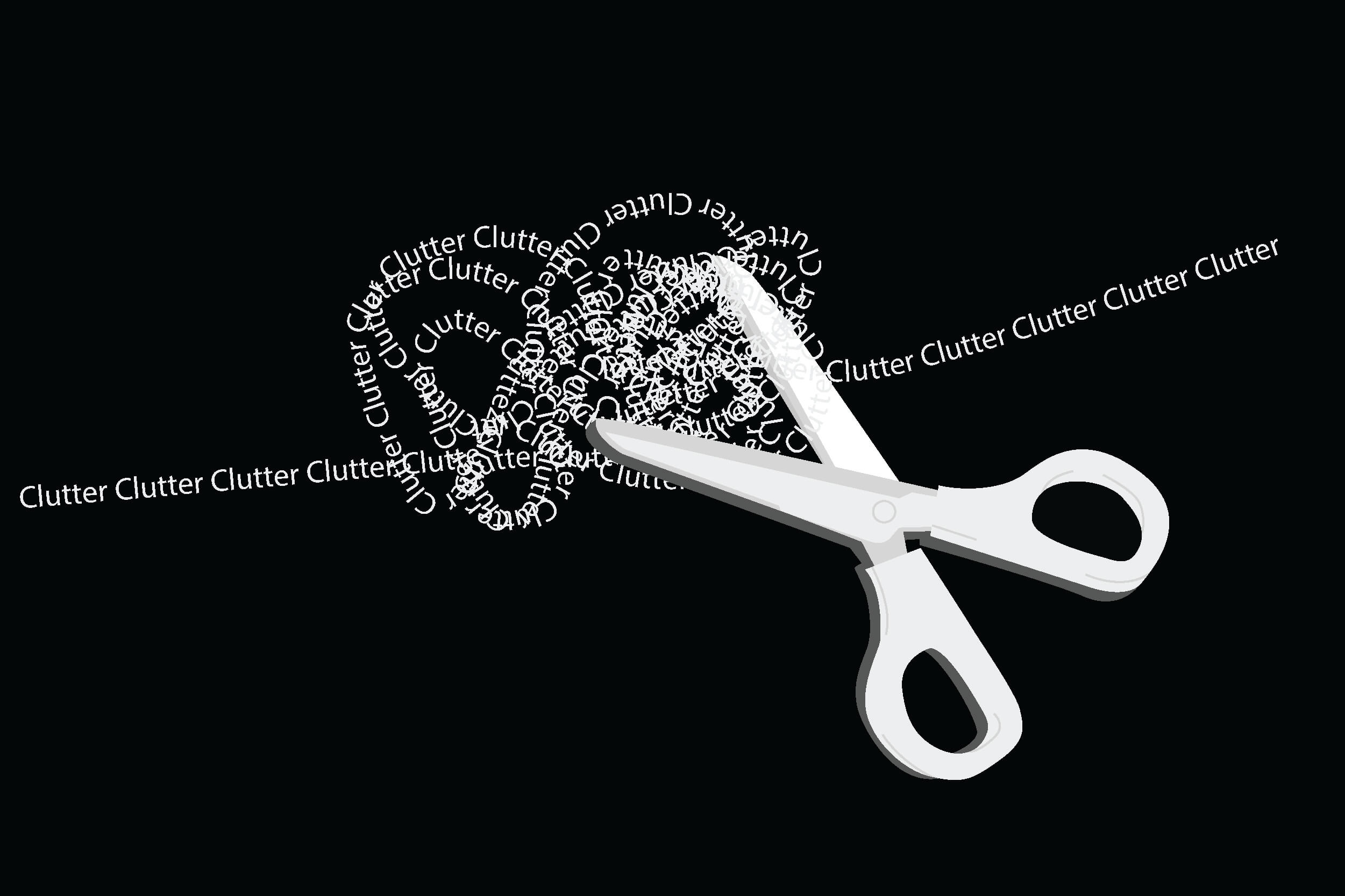
So, at the drawing board, it’s always the same challenge. To cut through the clutter and give the brand a distinct voice and face. But there’s no secret recipe or a template. Understanding clutter with right demographics, measuring it with right tools helps you know where you stand. Then of course, there are these people who have to clash (or call it collaborate), and will need to employ fresh egos and opinions that are backed by verifiable data, executable strategies and fresh creativity. There’s really no other shortcut to cut the clutter.